There is an old market saying often repeated on trading floors and in investment books:
“Buy when the cannons are firing, sell when the trumpets are sounding.”
At first glance, the advice sounds almost cynical. Why would anyone invest when war, crisis, or panic dominate the headlines? Yet behind this phrase lies one of the most enduring psychological truths of financial markets.
Fear Is the Market’s Strongest Force
Financial markets are not driven purely by numbers. They are driven by human emotion — and fear is the most powerful emotion investors experience.
When uncertainty rises, investors tend to act collectively. They sell not because long-term value has disappeared, but because uncertainty feels unbearable. Prices fall quickly, sometimes violently. Liquidity dries up. Headlines grow darker by the day.
In such moments, markets often stop reflecting reality and begin reflecting emotion.
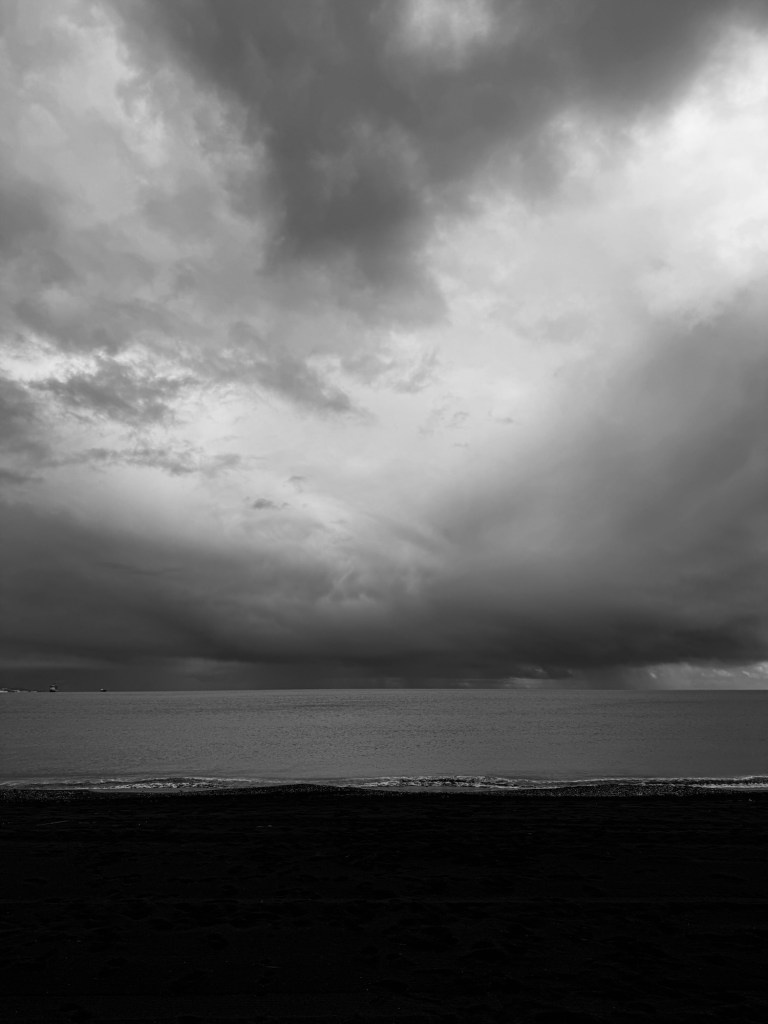
That is when the “cannons” are firing.
Panic Creates Mispricing
Crises compress time. Investors suddenly care only about survival — not valuation, innovation, or long-term growth.
History shows a recurring pattern:
During crises, investors overestimate permanent damage. During recoveries, they underestimate resilience. Over time, economies adapt far better than expected.
The result is temporary mispricing. Assets that were considered attractive months earlier suddenly trade at deep discounts, not because their long-term prospects vanished, but because confidence did.
Buying in such moments requires something rare: emotional independence.
The Psychological Difficulty
The principle sounds simple. In practice, it feels almost impossible.
When markets fall sharply:
News flow is negative. Experts predict further collapse. Friends and commentators advise caution. Losses feel personal and immediate.
Buying at such times rarely feels intelligent. It feels reckless.
Ironically, investments that feel comfortable are often expensive, while investments that feel frightening are frequently cheap.
Not Every Crisis Is an Opportunity
There is an important nuance often ignored when quoting this old wisdom.
Some crises destroy value permanently. Companies fail. Industries disappear. Political systems change. Blindly buying everything during turmoil is not investing — it is gambling.
The real skill lies in distinguishing between:
temporary panic, and permanent decline.
The saying works only when underlying productive capacity survives the crisis.
Long-Term Thinking as an Advantage
Most investors operate on short emotional time horizons. Markets reward those who extend theirs.
Buying during crisis does not mean predicting the bottom. It means accepting uncertainty while believing that human ingenuity, economic adaptation, and innovation tend to persist over decades.
In other words, optimism — when grounded in realism — becomes a competitive advantage.
The Quiet Lesson
The old phrase about cannons and trumpets is less about war than about psychology.
Markets swing between fear and celebration. The disciplined investor learns to act opposite to collective emotion:
cautious when enthusiasm peaks, curious when fear dominates.
The paradox remains timeless:
The moments that feel safest to invest are often the most dangerous —
and the moments that feel most dangerous sometimes offer the greatest opportunity.
 Gondinero Index Financial Education (by Jörg Jorge George Giorgio 🤗)
Leave a comment