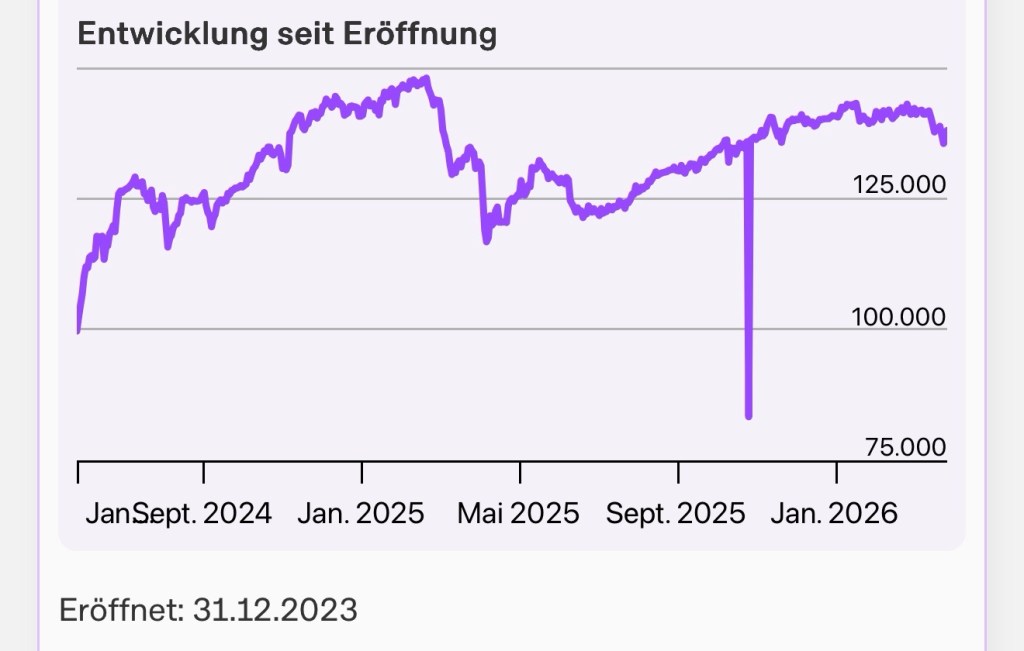
Global markets in March 2026 were dominated by geopolitical tensions, particularly in the Middle East, triggering sharp volatility across asset classes. Equities declined overall, with technology stocks under pressure, while energy stocks outperformed due to surging oil prices. The spike in crude—driven by fears of supply disruptions—became the central macro factor influencing all markets.
Bond markets also weakened as rising energy prices fueled inflation expectations, pushing yields higher. Notably, both equities and bonds fell simultaneously, highlighting the limits of traditional diversification. Meanwhile, gold failed to act as a safe haven, weighed down by a strong U.S. dollar and rising real yields.
Despite this turbulence, the underlying global economy remains relatively resilient, supported by steady demand and ongoing investment in artificial intelligence.
Looking ahead to April, market direction will largely depend on geopolitical developments. A de-escalation could support a rebound in equities and ease inflation pressures, while further escalation risks reinforcing a stagflationary environment with continued market stress.
 Gondinero Index Financial Education (by Jörg Jorge George Giorgio 🤗)
Leave a comment